What isn’t said
August 23, 2026 🥊 The Power of Suspense

I’ve been reading an autobiography by a political leader who describes a private exchange with another world leader.
He says the man did something so unexpected and so unlike his usual self that it shocked him.
Then he says he told only three other people what happened.
And that’s where the story ends.
He doesn’t explain the gesture. He doesn’t give us the sentence. He doesn’t even offer enough detail to settle the matter.
Naturally, I went looking.
One theory was that the other leader made a gesture across his throat—a threat, or at least an unmistakably dark signal about dealing with difficult people.
Maybe that’s what happened. Maybe it isn’t.
What interested me was not only the missing detail. It was the decision to preserve the missing detail.
He doesn’t openly insult the man. He doesn’t accuse him in a way that demands a public defense. He simply tells us that something shocking happened, confirms that he remembers exactly what it was, and then closes the door.
That is a particular kind of power.
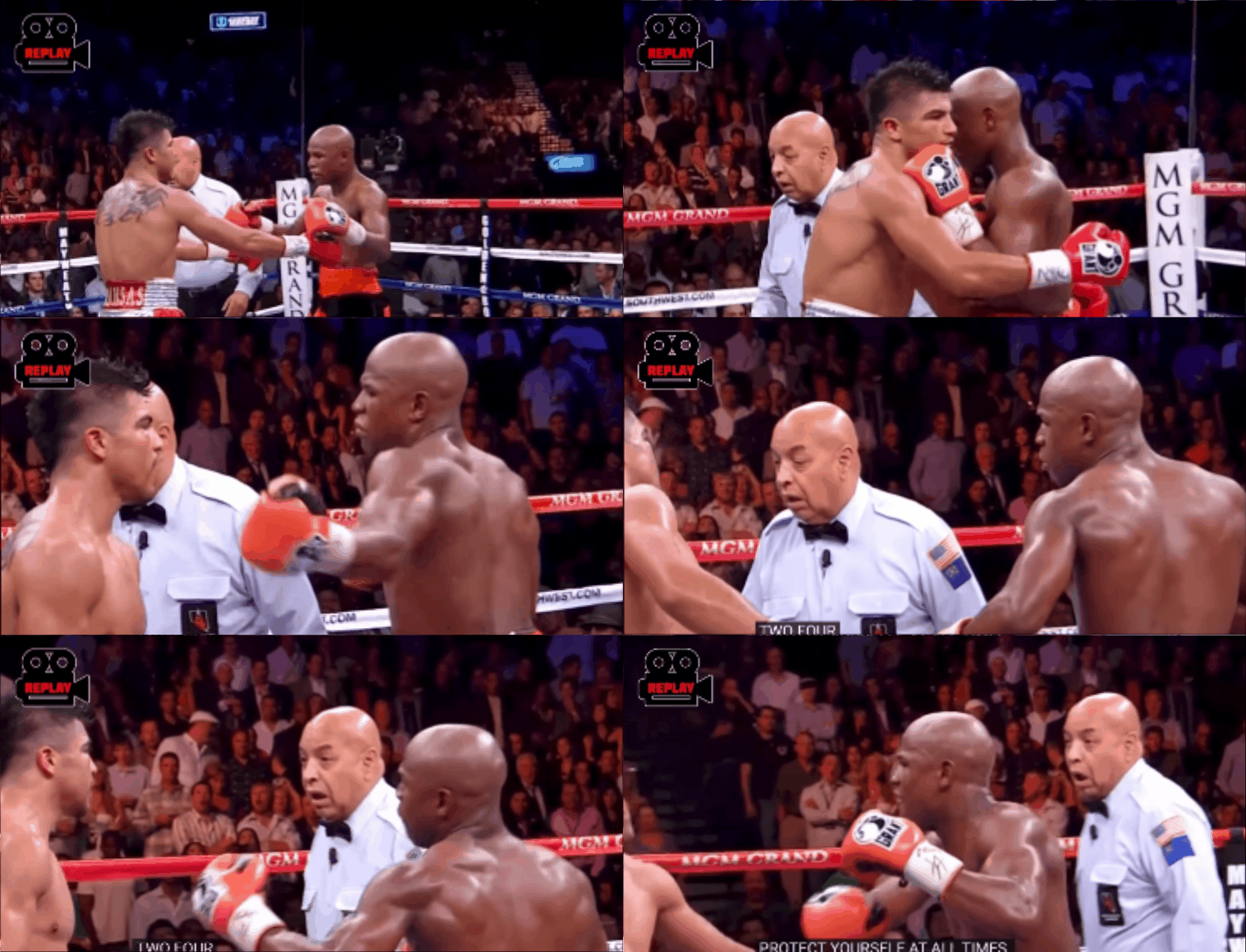
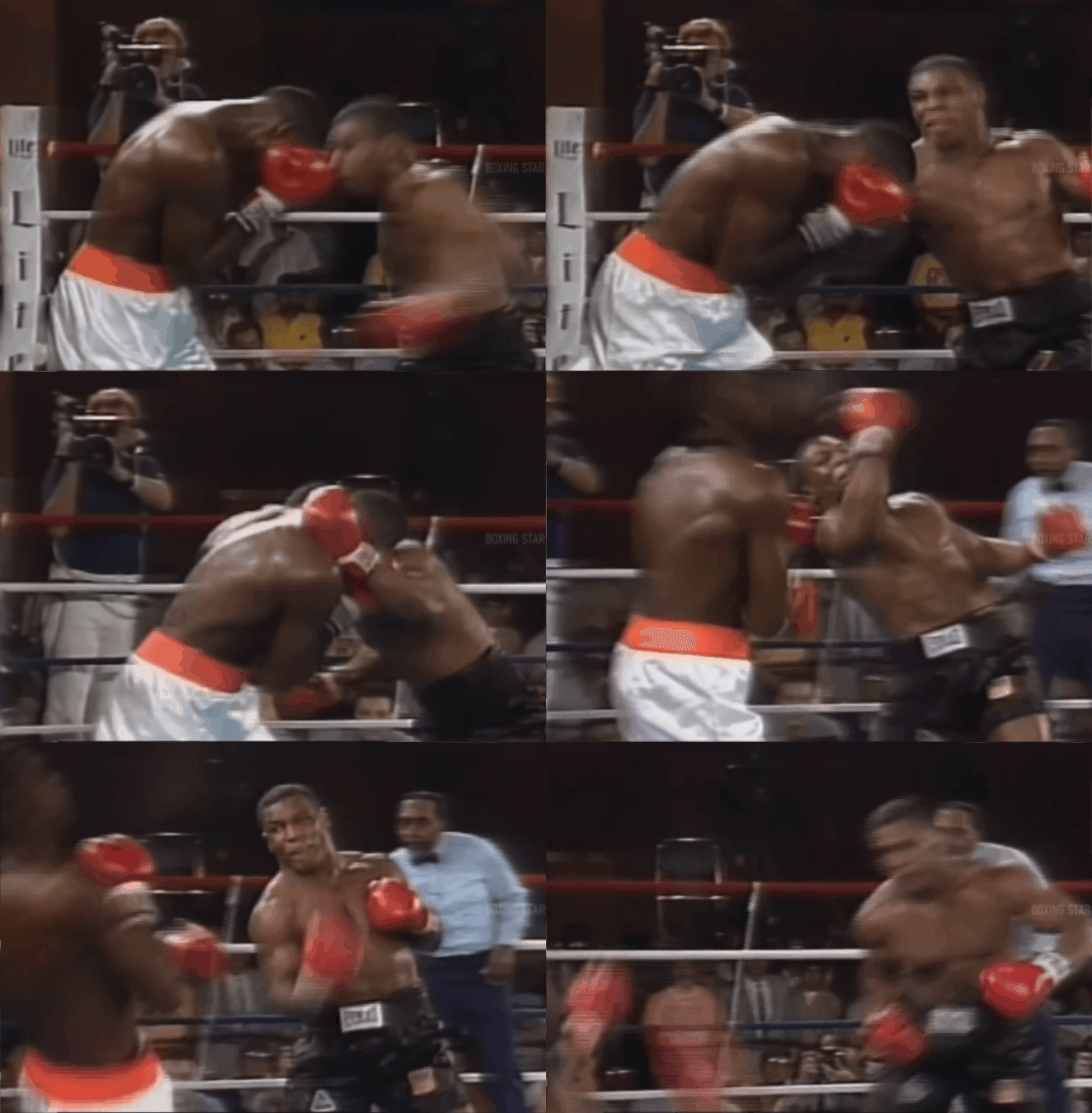
It reminded me of the moments before a fight.
Not the bell. Not the first punch. The minute before, when both fighters are still pretending the fight hasn’t started.
You can learn a lot from how someone presents himself in that minute.
The openly aggressive fighter may be trying to convince everyone—including himself—that he isn’t afraid. He performs danger because he wants fear to arrive before he does.
The fighter whose eyes keep drifting may be nervous, distracted, or searching for somewhere else to put the tension.
The excessively friendly fighter can be doing something similar. He jokes. He compliments you. He acts as if the two of you are already friends. Sometimes that warmth is genuine. Sometimes it is camouflage.
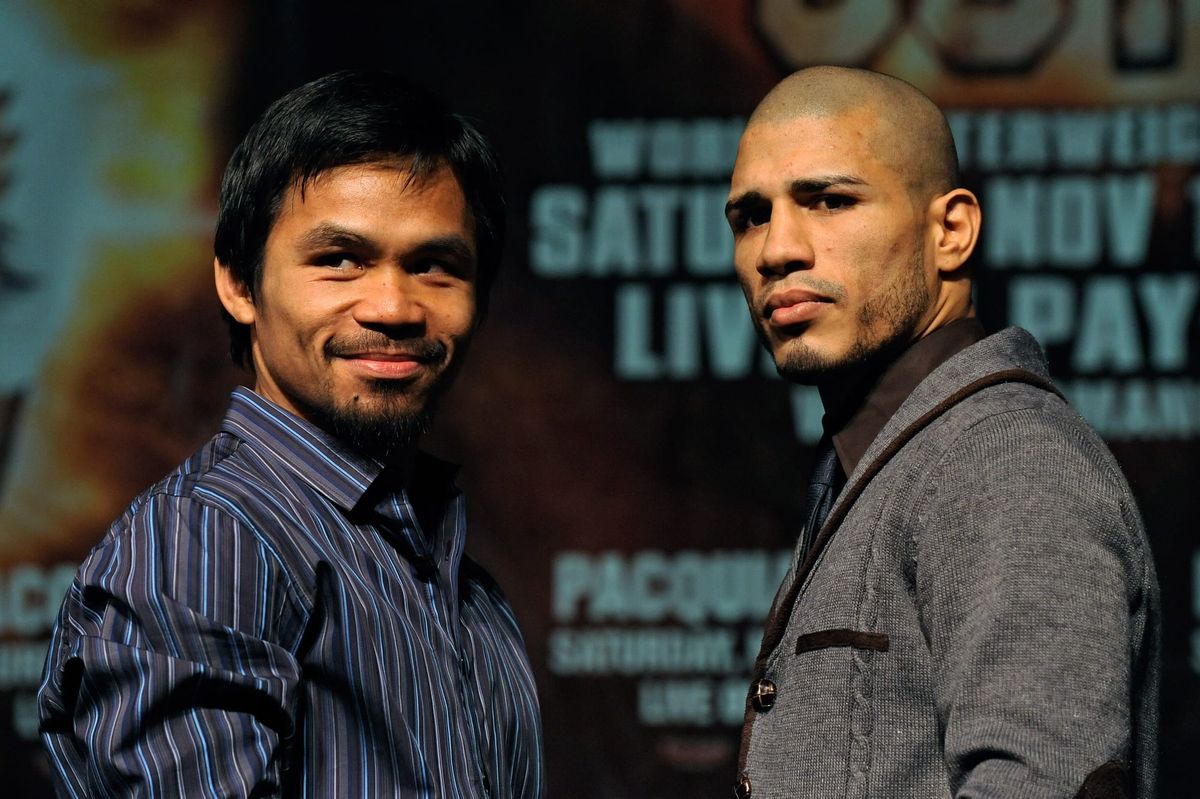
Then there is the fighter who looks straight at you without smiling and without trying to look intimidating.
No performance. No explanation. No invitation.
Just a steady look that gives you a glimpse of his attention without giving you access to his intentions.
That look doesn’t tell you what is coming.
It tells you that he has decided not to tell you.
There is a difference between showing confidence and advertising it. There is a difference between being calm and demonstrating calmness for an audience. The more someone insists on controlling your impression of them, the more information they may be giving away.
The quiet fighter creates a different problem. You can’t tell whether he is relaxed, angry, exhausted, disciplined, or simply waiting.
You are given a surface, but no depth.
That is what the unfinished story in the autobiography does. It presents a controlled exterior while allowing just enough darkness to show through. The author doesn’t have to call the other man dangerous. He doesn’t have to describe the event in full. He only has to suggest that he saw something the reader did not.
Now the reader starts studying the silence.
What was said? What was meant? How serious was it? Why tell us this much but no more?
The author has turned restraint into suspense.
And suspense is often more powerful than certainty.
In a boxing gym, everyone talks about reading an opponent: the shoulders, the breathing, the hands, the eyes. But reading someone is not the same as decoding them. A nervous fighter can look aggressive. A confident fighter can look restless. A quiet fighter can be composed—or terrified.
You are never seeing the whole person. You are seeing the version of himself he can control in public.
That is why the seconds before the fight matter. They are not a lie detector. They are a glimpse of the struggle between a person and the image he wants to project.
Some people fill that space with noise.
Some fill it with charm.
Some try to make you uncomfortable before they have done anything.
And some offer you almost nothing.
Those are the people you keep watching—not because their silence proves they are dangerous, but because it leaves your imagination with too much room to work.
In a fight, composure is not the absence of information.
It is the refusal to volunteer it.