Understanding the Other Side
November 1, 2026 🥊 Get Curious

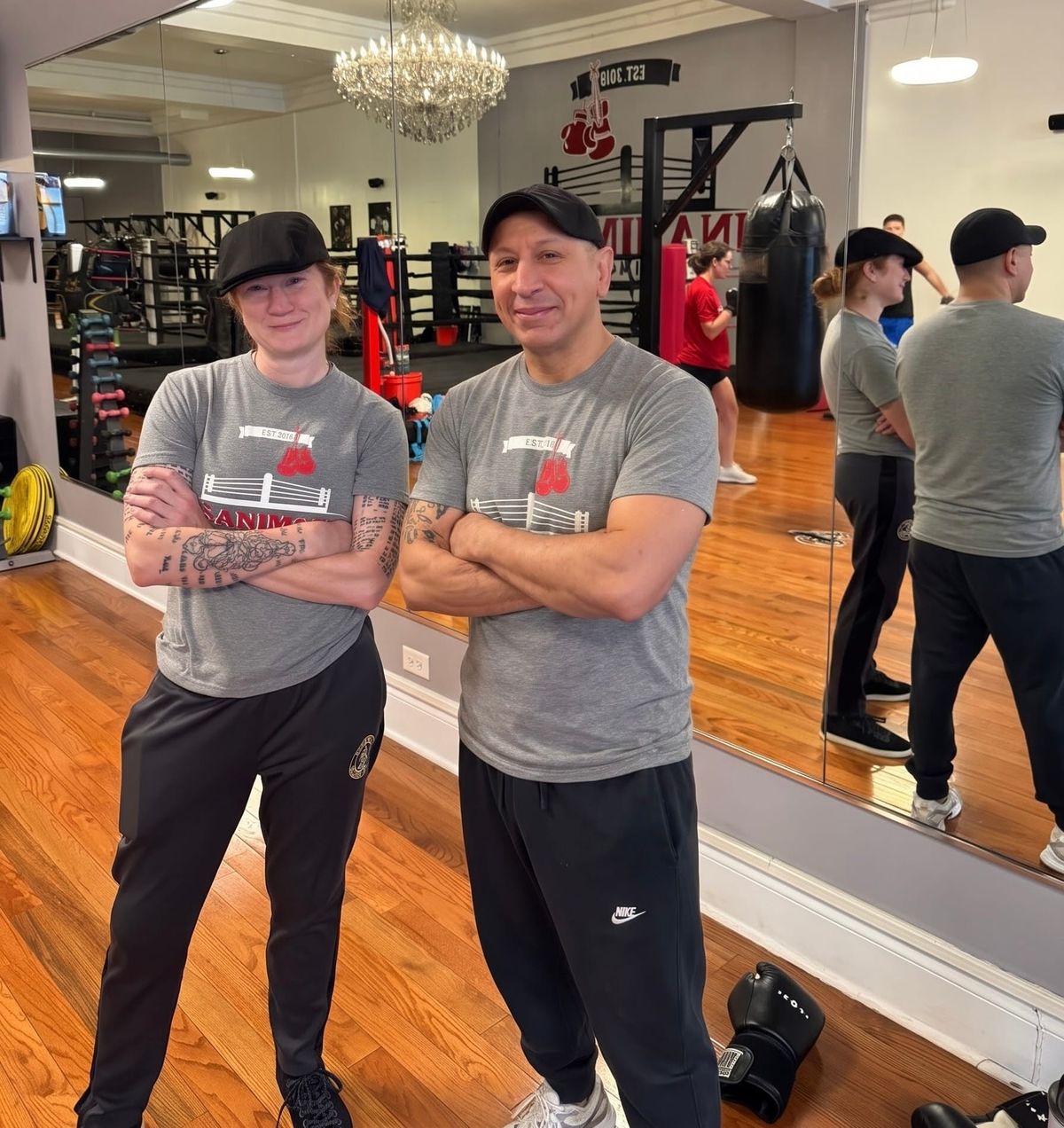
As a coach, one of the most powerful things I try to instill in the people I work with isn't a technique or a combination — it's self-awareness. Why do you move the way you move? Why do you react the way you react? Why does your body default to that position under pressure?
Most athletes never ask these questions. They just do. But the moment you can answer why, something remarkable happens: you start seeing it in other people.
Once you recognize a habit, a tendency, a fear in yourself, you can spot it across the ring, across the room, across the table. And once you can spot it in someone else — you can work with it. You can coach around it. You can use it.
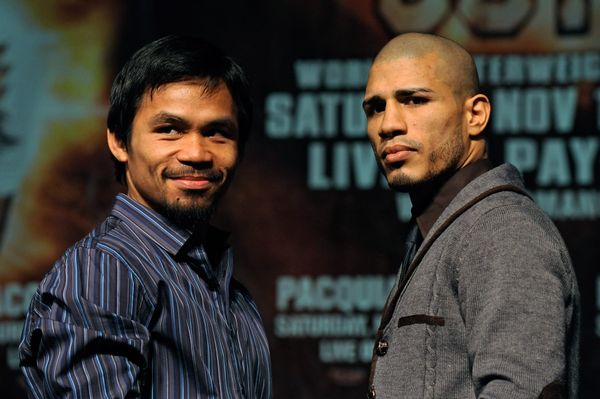
In boxing, we talk a lot about reading your opponent. But real reading isn't just watching their hands or their footwork. It's understanding why they move the way they do.
When your opponent does something you recognize — a pull-back when pressured, a jab to create space, a tendency to clinch when hurt — you recognize it because you've done it too. That shared human experience is intelligence. It tells you their comfort zone, their fear, their plan.
But what about when they do something unexpected? Something you wouldn't do? That's where most fighters get frustrated and most people in life shut down. My approach is the opposite: get curious. Why are they doing that? What are they trying to solve? What do they think that move gives them?
Understanding the why behind an unexpected behavior is often more valuable than understanding a familiar one — because it expands your map of how people think and operate.
This plays out every single day in the gym. When I see one of my fighters doing something that doesn't make sense to me — an awkward guard, a strange rhythm, an unusual angle — my first instinct isn't to correct it. My first instinct is to ask.
Why are you doing it that way? What are you trying to do?
Because if I shut it down before I understand it, one of two things happens:
- I may have just eliminated something that actually works for them, even if it wouldn't work for me.
- I lose their trust, because they feel corrected without being heard.
But when I understand their thought process first, I can meet them where they are and guide them somewhere better. That's real coaching. And it's a skill that doesn't stay in the gym.
We live in a time when understanding the other side has become almost taboo. We've built a culture where trying to understand someone you disagree with is treated as an endorsement of everything they believe. As if comprehension equals complicity.
But think about what that actually means in practice.
If you can't understand your opponent, you can't defeat them. You can't protect yourself from them. You can't anticipate them, outmaneuver them, or even approach them with any kind of strategy. You're just reacting — emotionally, blindly — and reactive fighters lose.
Splitting the world into clean binaries — good and evil, right and wrong, us and them — feels satisfying. It's simple. It's clean. But it's not useful. And in a fight, useful beats comfortable every time.
Understanding why someone thinks the way they do, why they move through the world the way they do, doesn't mean you agree with them. It doesn't mean you sympathize with them. It means you're taking them seriously as an opponent — which is the most dangerous thing you can do to someone who expects to be dismissed.
There's one more thing understanding gives you that pure opposition never can: the ability to forgive without being naive.
When you understand why someone does what they do — even something harmful, even something you find deeply wrong — you can hold two things at once. You can say I understand how you got here and I'm still going to fight you on this. That's not weakness. That's the highest form of strategic thinking.
A fighter who understands their opponent isn't soft. They're prepared.
A coach who understands their athlete isn't a pushover. They're effective.
And a person who tries to understand the other side of a conflict isn't compromised. They're equipped — to navigate, to influence, to protect, and when necessary, to win.
Just like in boxing, understanding your opponent is just as important as understanding yourself. The two go hand in hand. You can't truly have one without the other — and the people who master both? They're the ones who are genuinely hard to beat.