The Space Inside the Work
September 14, 2026 🥊 The Emptiness
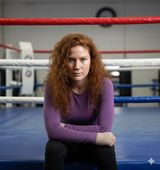

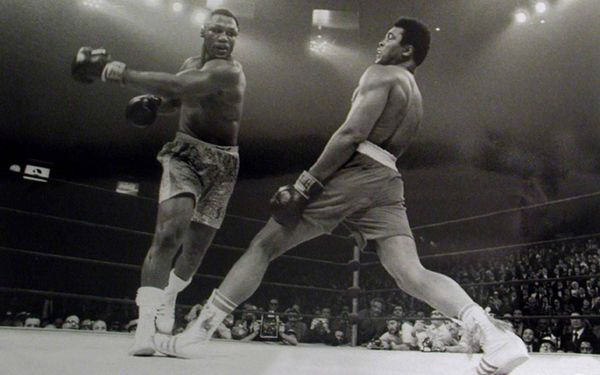
In boxing, we spend most of our time working with what can be seen.
We build the body through repetition: roadwork, rounds on the heavy bag, endless footwork, sharpened combinations, stronger legs, tighter defense. We mold ourselves through training. We fashion the body into an instrument capable of carrying us through fatigue, fear, and pain.
But the body is only part of the work.
The Tao Te Ching offers this image:
Thirty spokes are joined together in a wheel,
but it is the empty center that allows the wheel to function.
We mold clay into a pot,
but it is the emptiness inside that makes the vessel useful.
We fashion wood for a house,
but it is the space within that makes it livable.
We work with the substantial,
but it is the emptiness that we use.
Boxing is built on the substantial. The gloves, the ring, the mitts, the heavy bag, the muscles, the lungs, the hours of practice—these are the spokes. They give shape to the fighter.
But when the bell rings, the fight is often decided by what cannot be seen.
The space in which thoughts can move without taking over.
The relaxation of a body that knows what to do.
The emotional stillness of a lake.
We train the body so it can act. But we calm the mind so it can recognize what action is needed.
A fighter filled with tension has no room left to see. Every punch becomes forced. Every movement is rushed. The mind grabs at plans, worries about consequences, and tries to control what cannot be controlled. The body may be strong, but the fighter is crowded inside.
Stillness creates space.
In that space, the jab appears without being summoned. The opening becomes visible. The feet move to the perfect spot. You stop trying to win every moment and begin responding to the moment that is actually in front of you.
This does not mean becoming passive. Emptiness is not weakness, laziness, or a lack of preparation. The wheel still needs its spokes. The pot still needs its walls. A boxer still needs conditioning, technique, discipline, and courage.
But those things are useful because of the space they create.
Training builds the vessel. Calmness allows the vessel to be used.
The best fighters often seem to have more time than everyone else. They are not necessarily faster. They are less cluttered. Their minds are not filled with unnecessary movement. They do not spend every second arguing with the fight. They are present enough to let the right response emerge.
That is one of boxing’s great paradoxes: we work intensely so that, eventually, we can stop forcing the work.
The hours of preparation lead toward a moment of simplicity: let the body react. The fighter becomes most effective not when he is trying to display everything he has learned, but when he has enough inner quiet to use what is necessary, when it is necessary.
In life, we face the same challenge.
We fill our schedules, our rooms, our conversations, and our minds. We assume that more effort, more information, and more control will make us stronger. Sometimes they do. But usefulness often depends on what we leave open: time to reflect, silence to listen, room to change, and stillness from which a wiser action can come.
A fighter cannot control every punch. No one can control every turn life takes. But we can prepare the body, clarify the mind, and protect the empty center where choice remains possible.
That center is not nothing.
It is where we breathe.
It is where we see.
It is where we decide.
The work of boxing is substantial: roadwork, sweat, bruises, technique, discipline. But when the fight begins, what we truly use may be the calm space created by all that work.
The body carries us into the ring.
The empty mind lets us fight.
For my Jewish readers, may this time between Rosh Hashanah and Yom Kippur be an invitation to find the empty space within—the quiet place where reflection, change, and renewal can begin.
And if you are not Jewish, you are welcome to join us in the practice. We all need moments of stillness: space enough for the mind to settle, the body to trust its training, and the next right action to emerge.