The Burden of the 1-2
March 23, 2026 🥊 Great Power

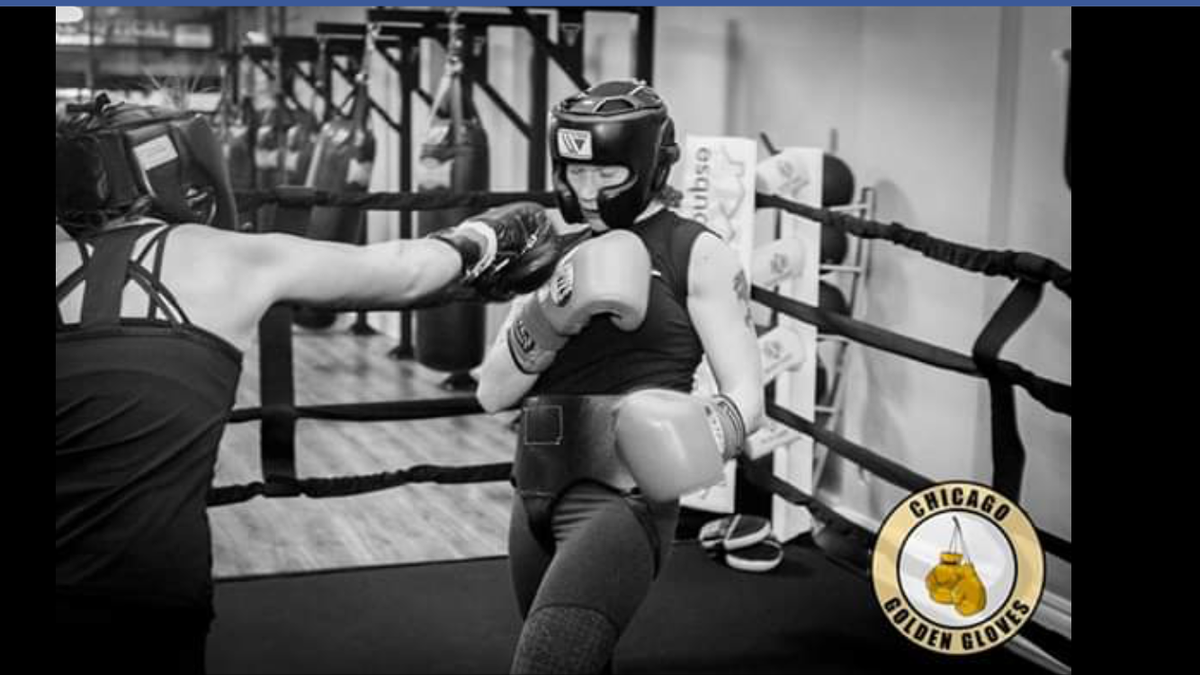
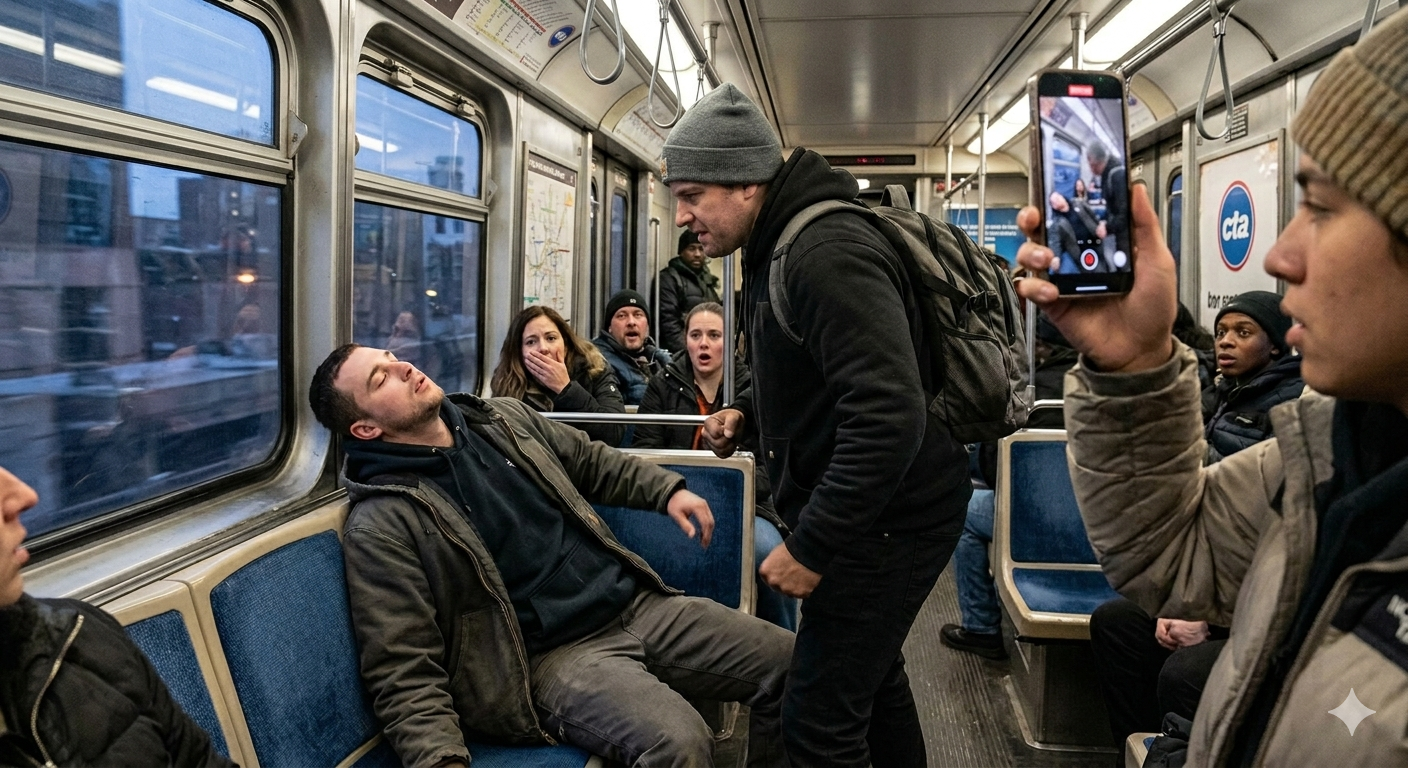
I’ve had more than one client ask if I’ve ever used boxing "out in the real world"—for self-defense or just to get my way. People hear about an aggressive encounter on the CTA and ask, "Did you give them the good old 1-2?"
First of all, boxing is a sport, not a self-defense course.
Boxing has a rigid, civilized set of rules. You hit front-facing and above the belt. No kidneys, no back of the head. No stiff-arming, no pushing, no slapping. No knees, no elbows, and definitely no kicking. If you break those rules, you lose points or get disqualified.
True self-defense is about survival, not sport. It’s about getting away from holds, neutralizing weapons, and escaping the ground. The goal is to leave the situation intact, not to show off your footwork.
The Rules of the Street
Could you use your hands to defend yourself? Sure. But the "real world" has its own set of rules—and they are often more punishing than a referee’s scorecard.
1. The Legal Weight: In the American justice system, if you are a trained fighter, your hands can be viewed through a different legal lens. Even if someone else starts the fight, if you respond with professional-grade force against an unarmed person and seriously hurt them, you open yourself up to a massive lawsuit. You might win the physical fight and lose your condo in court.
2. The Digital Eye: We live in an age of iPhones and transit cameras. If you defend yourself on the Red Line, you aren't just fighting an aggressor; you’re fighting for your reputation. Will the 15-second clip on social media paint you as a hero or a villain? It’s a gamble you could lose.
3. The Ripple Effect: If you "neutralize" someone on a train, that train stops. Law enforcement shows up. Statements are taken. Every train behind you sits on the tracks. Hundreds of people with suitcases and jobs are now late because of your "heroics." The reality of a street fight isn't a clean cinematic exit; it’s a mess of paperwork and pissed-off witnesses.
4. The Hidden Variable: Can you out-punch a gun you didn't see? Probably not.
The Lesson: The Responsibility of Power
This is where Eastern fighting styles offer a deeper wisdom. They prioritize yielding and diffusing. If someone is stronger, you don’t meet their force with more force; you use their own weight to lead them into a vacuum. You neutralize the threat without escalating the damage.
We all know the quote: With great power comes great responsibility. In the ring, your responsibility is to the sport. On the street, your responsibility is much heavier. You are responsible for the safety of your aggressor. You are responsible for the time of every witness. You are responsible for the image of your actions that will live forever online.
In life, as in the ring, the more "power" you have—whether that’s physical strength, professional authority, or a loud voice—the more you are required to practice restraint. True mastery isn't the ability to knock someone out; it’s the ability to navigate a conflict so effectively that you never have to close your fist in the first place.
Don't just be a fighter. Be a person who is too powerful to need a fight.
My ask of you: Visit my new blog site or share it! Someone you know should start boxing? Share these conversations to strengthen their interest. Use your power of influence. With that, the website does not have comments enabled yet! Feel free to email me: trainingwithaisling@gmail.com